
What Happens to a Landscape After a Wildfire?
The First 72 Hours: More Than Meets the Eye
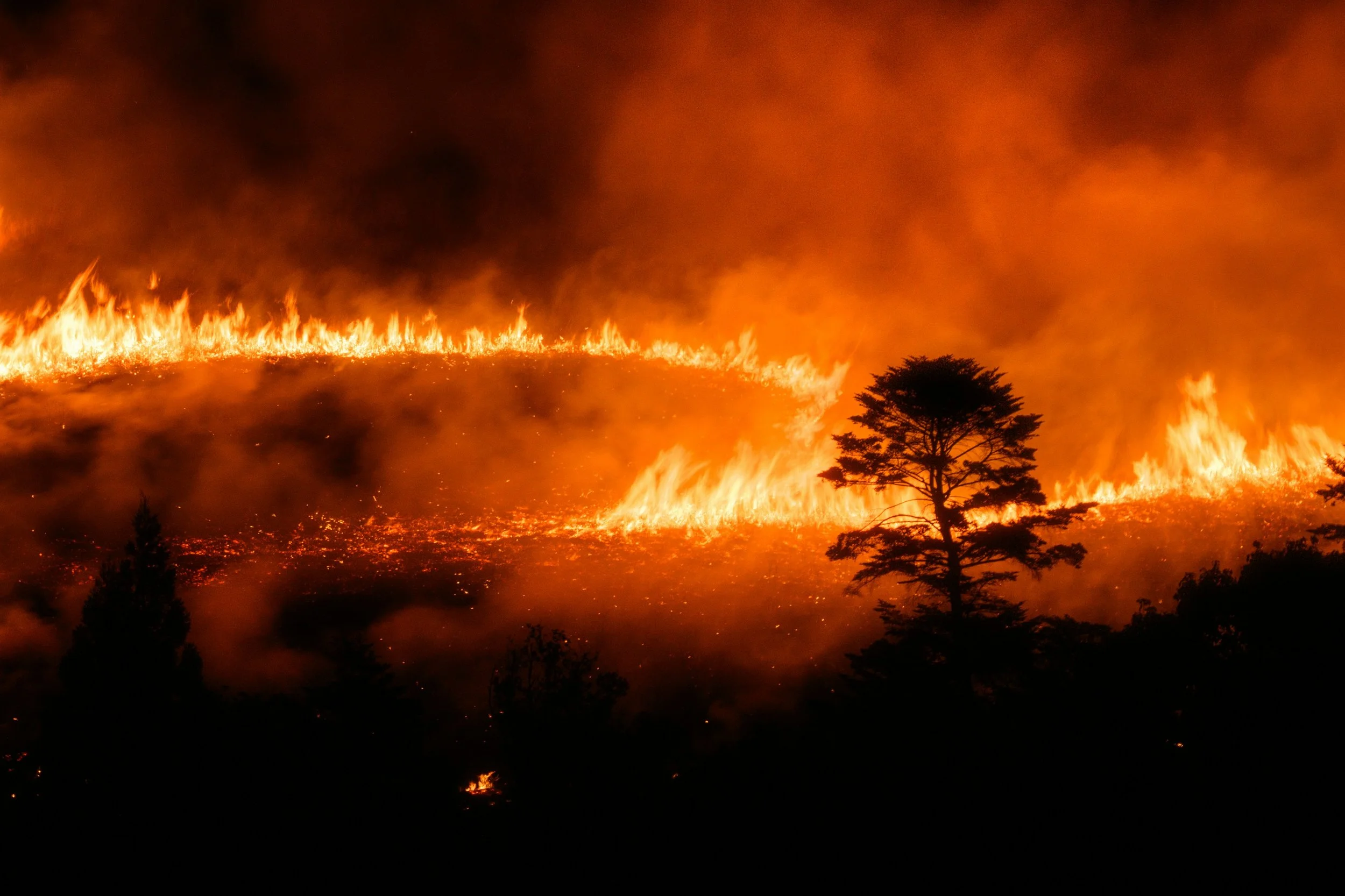
When a wildfire moves through a neighborhood, its impact on the landscape begins long before the flames arrive and continues long after they're gone.
At the surface, what you see is obvious: scorched earth, stripped bark, fallen trees. But underground, something equally dramatic is happening. The intense heat sterilizes the soil — killing beneficial fungi, bacteria, and the microorganisms that help plants take root and thrive. The biological web that took decades to build can be destroyed in hours.
The Eaton Fire consumed nearly 14,000 acres in approximately 72 hours. What took generations to grow — the mature oak canopy, the shade trees lining Altadena's streets, the mature landscaping that defined its character — was gone almost instantly.
What Fire Does to Soil
Healthy soil is alive. It contains billions of microorganisms per teaspoon — fungi, bacteria, protozoa — that break down organic matter, cycle nutrients, and create the conditions that allow trees and plants to flourish.
Wildfire disrupts this entire system.
High-temperature burns drive off soil moisture and create what scientists call "hydrophobic layers" — surfaces that repel water rather than absorb it. This leads to dangerous runoff during the first rains after a fire, which carries topsoil away and increases erosion risk dramatically. In hillside communities like Altadena, that means post-fire flood and debris flow risks are significantly elevated — and bare soil without root systems to hold it in place makes that worse.
The loss of ground cover and root structure also means a community loses its natural filtration system. Stormwater that would have been absorbed and filtered by vegetation now moves rapidly across the surface, carrying ash and sediment into storm drains and waterways.
The Canopy Is Gone — and That Matters More Than You Think
Trees aren't just beautiful. They're infrastructure.
A mature tree — one that's been growing for 20, 30, or 50 years — provides a set of services to a neighborhood that most people never consciously notice until it's gone. That single tree can:
- Lower surrounding temperatures by up to 10°F through shade and evapotranspiration
- Store thousands of pounds of carbon over its lifetime
- Support local biodiversity — birds, pollinators, and insects rely on mature canopy
- Raise surrounding property values by 10–15%
- Reduce stress and support mental health for the people who live nearby
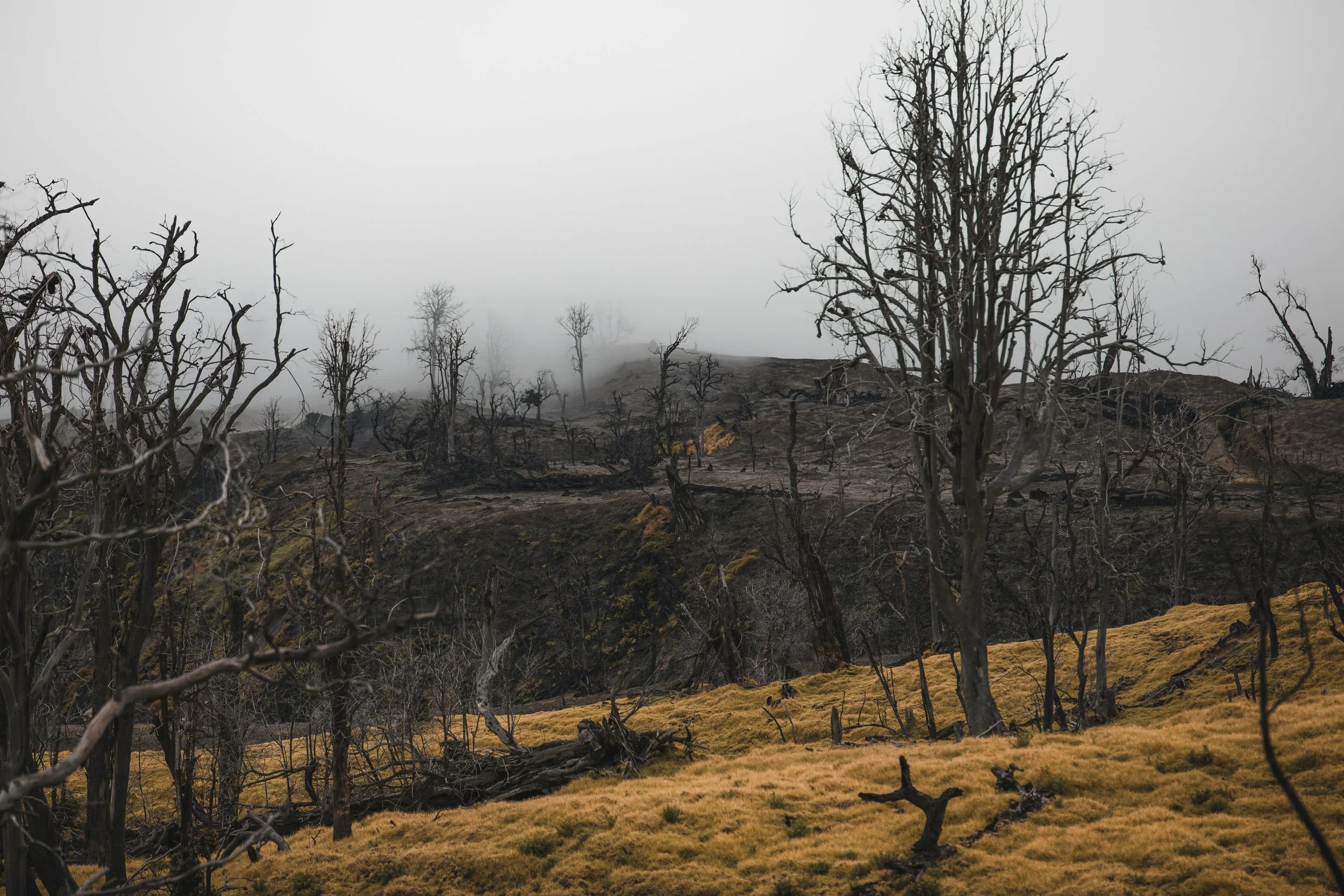
When wildfire strips a neighborhood of its mature tree canopy, all of that disappears simultaneously. Streets become hotter. Neighborhoods become harsher. The sense of place — the greenery and shade and visual calm that made Altadena feel like Altadena — is gone.
And here's the hard truth: if left to nature alone, that canopy doesn't come back quickly. Mature trees take 50 to 70 years to reach the size that provides meaningful shade, habitat, and environmental benefit. For families rebuilding their homes today, that timeline is simply unacceptable.
What Ecological Recovery Actually Looks Like
In the years following a major wildfire, a landscape goes through several phases of recovery — but the timeline and quality of that recovery depend entirely on what interventions are made.
In the first year, opportunistic plants — often invasive species — are quick to colonize bare soil. Native ground cover may begin to return in areas with intact seed banks, but without the established root systems that once held the soil and filtered water, the landscape remains vulnerable.
Over five to ten years, shrubs and early successional trees begin to establish. Some native species adapted to fire will resprout from root systems that survived underground. But this stage of recovery is still ecologically thin — a shadow of what existed before.
The full canopy? The mature oaks, the established street trees, the shade that defined the neighborhood? That takes half a century or more, without intervention.
Why Planting Mature Trees Changes Everything
This is precisely the problem that Green Fenix was created to solve.
Rather than waiting for nature to work on its own timeline — or planting saplings that will take 50 years to provide meaningful benefit — Green Fenix delivers mature, 20+ year old fire-resistant trees directly to properties, parks, and public spaces in Altadena.
The impact is immediate. A mature tree planted today provides shade today. It supports biodiversity today. It begins restoring the character and environmental health of a neighborhood today — not in 2075.
Working with Moon Valley Nurseries and coordinating with LA County and local partners, Green Fenix identifies the right trees for each site: fire-resistant species proven to thrive in Southern California's climate, selected to rebuild the canopy with long-term resilience in mind.
Each tree planted is more than landscaping. It's a statement that Altadena's recovery doesn't have to wait a generation.
The Road to Recovery Is Long — But It Starts Now
What a wildfire takes from a landscape is more than what the eye can see. It's the soil biology, the root systems, the canopy infrastructure, the decades of slow growth that created the shade and character of a community.
Getting it back requires intention, investment, and the right kind of intervention.
Green Fenix exists because Altadena's families shouldn't have to wait 50 years for their neighborhood to feel like home again
Ready to help restore Altadena's canopy?
Learn how you can fund a tree, partner with us, or share a story from your community at greenfenix.org.
Green Fenix is a nonprofit organization dedicated to restoring Altadena's historic urban canopy in the aftermath of the 2025 Eaton Fire. Through partnerships with local nurseries, LA County, and community organizations, Green Fenix delivers mature, fire-resistant trees to homes, parks, schools, and public spaces throughout the community.